California · 6 min
San Francisco without the scramble
Fog-friendly viewpoints, cable cars, and family stops worth the detour.
Zoom in and pick your stops on the map, one after the next, and the line follows the order you choose. Know where you are going? Set two ends below and we will show you what is in between. Only know how long you have? Tell us that instead.
Hover a pin to see what it is. Mile Markers that sit close together are drawn as one circle, marked MM, with the number gathered there inside it — zoom in to separate them.
These are not Highway Heads stops and we have not visited them — they come from public datasets, credited under the filters, and are here so you can see what is near a stop. Switch them on under Show nearby, and zoom in until they appear.
MM — Mile Marker. Every place on this atlas is one. Here is every state we cover and how many we publish in it. Open one to add its stops to your trip — the map keeps your line either way.
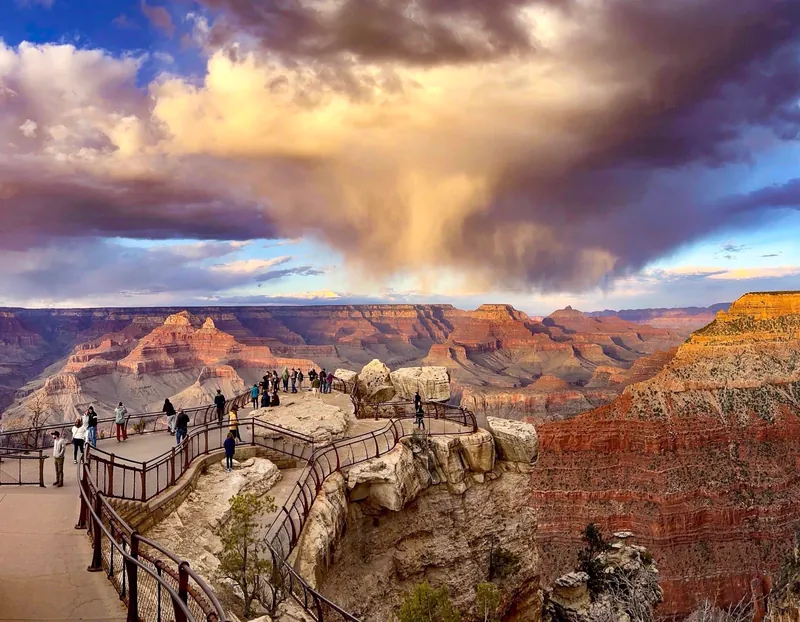 5 MM · 3 guides · 2 stopsNPS/M. Quinn · Public domain (US federal government)See what we have →
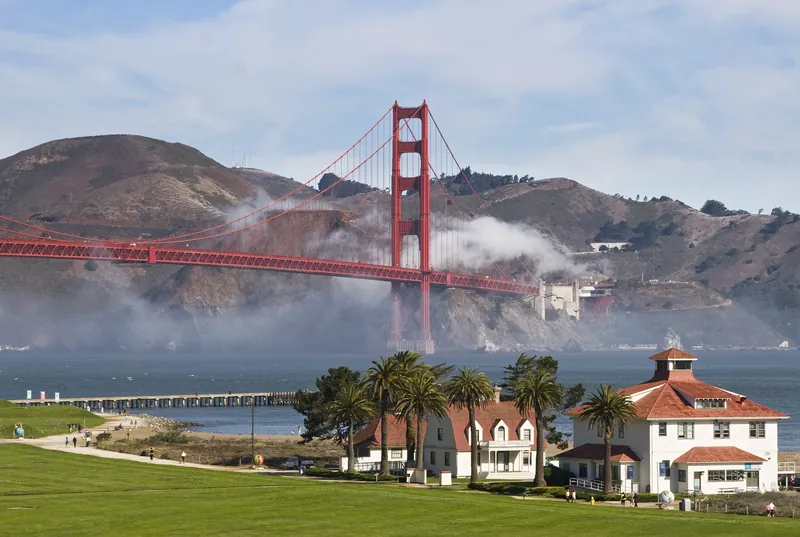 8 MM · 5 guides · 3 stopsNPS photo/Will Elder · Public domain (US federal government)See what we have →
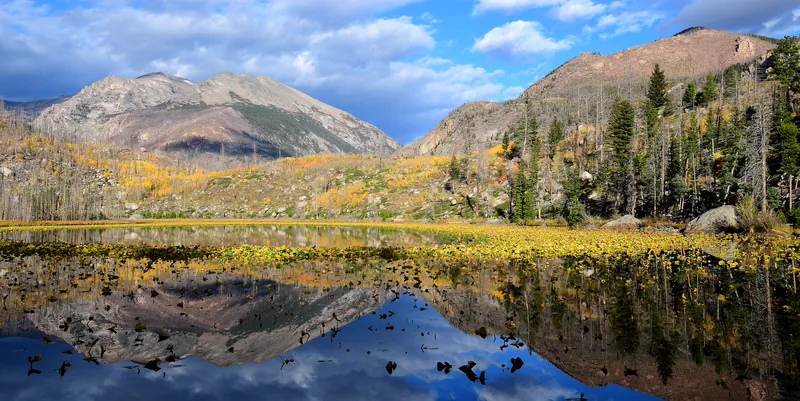 26 MM · 5 guides · 21 stopsNPS/J.Marino · Public domain (US federal government)See what we have →
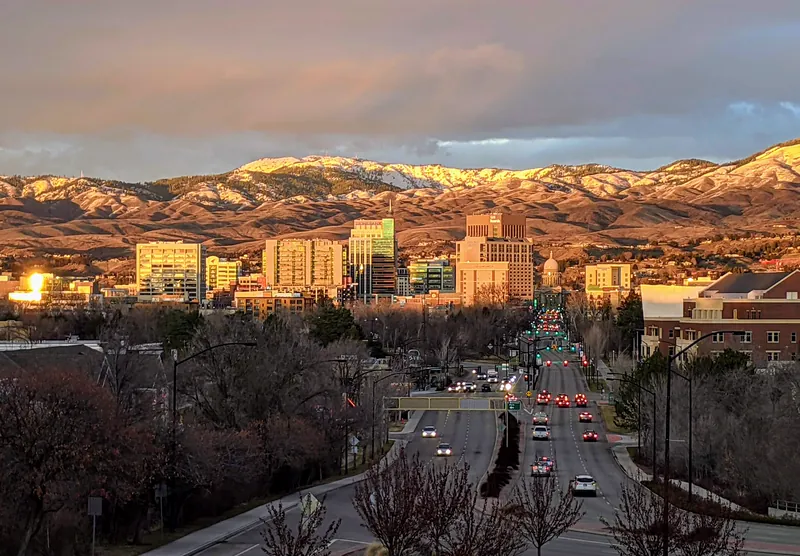 4 MM · 4 guidesJyoni Shuler · CC BY-SA 4.0See what we have →
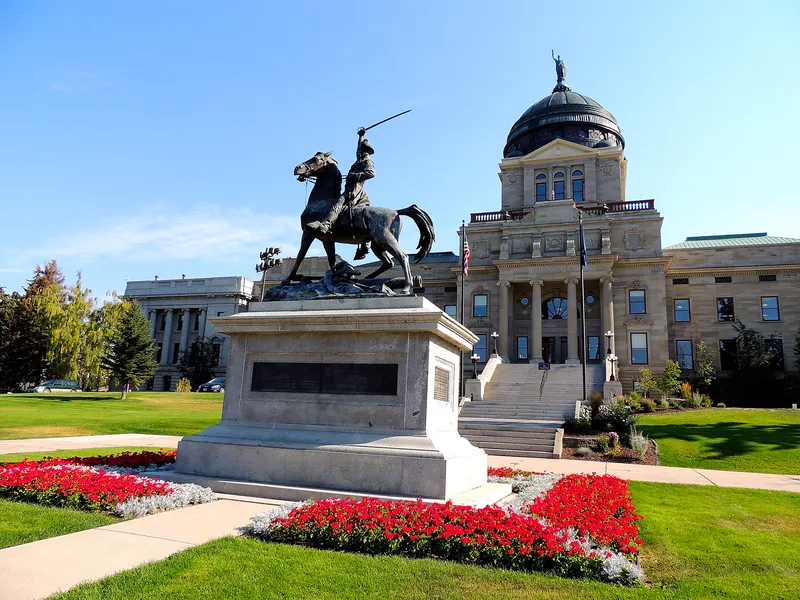 5 MM · 5 guidesTracey Elizabeth · CC BY 2.0See what we have →
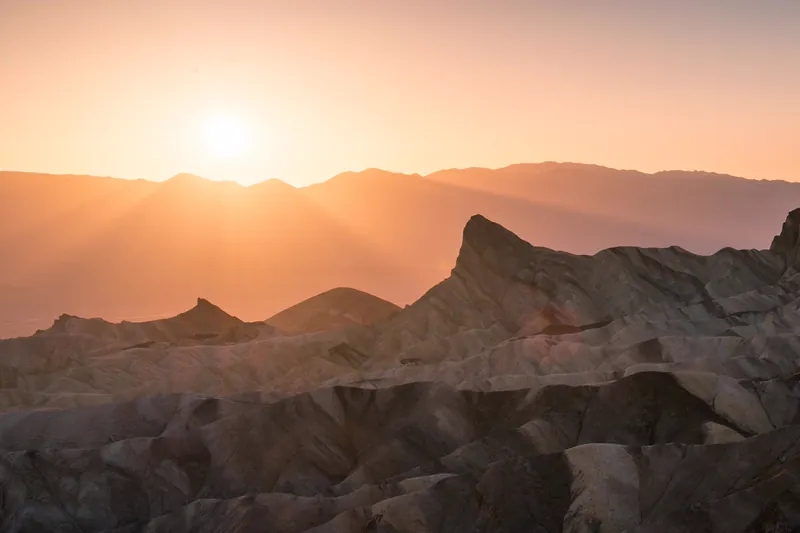 8 MM · 4 guides · 4 stopsRonald Gaddis · Public domain (US federal government)See what we have →
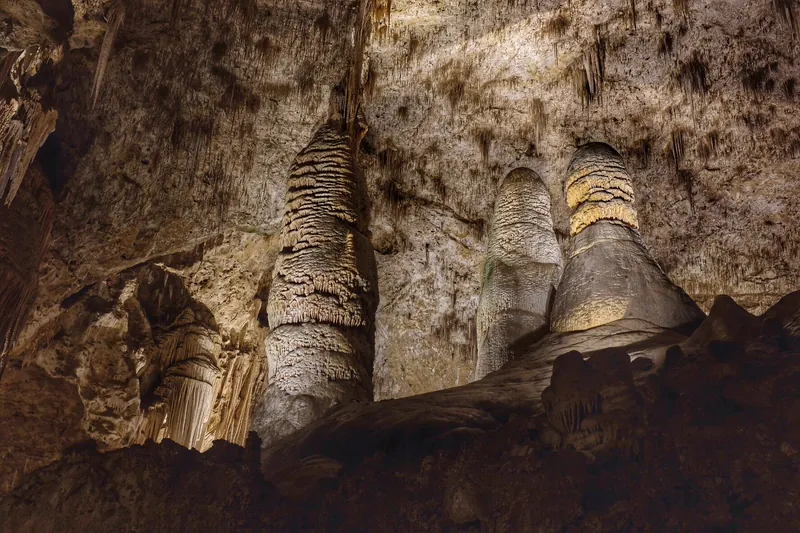 5 MM · 5 guidesNPS / Michael Larson · Public domain (US federal government)See what we have →
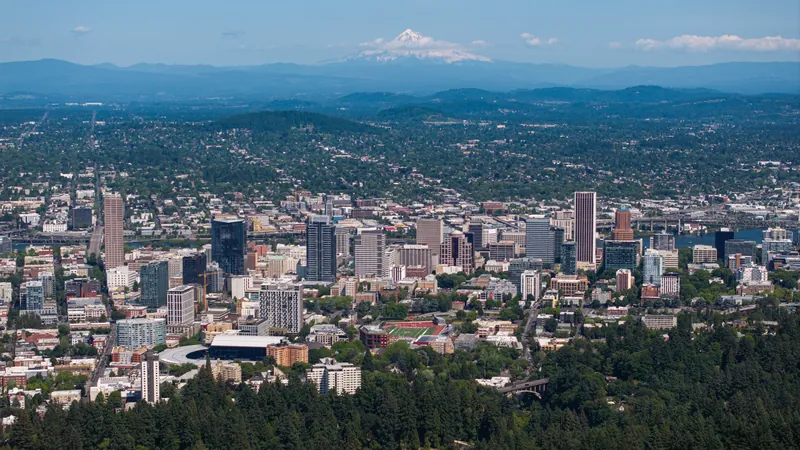 4 MM · 4 guidesSpicypepper999 · CC0See what we have →
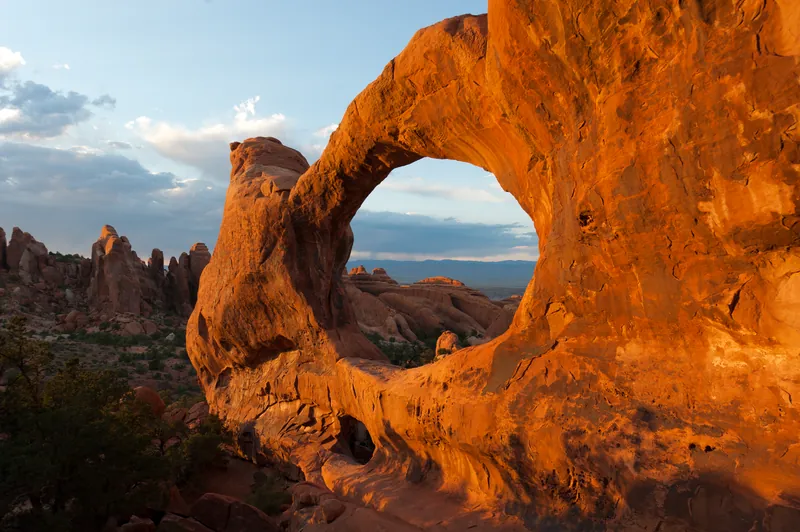 38 MM · 4 guides · 34 stopsNPS Photo · Public domain (US federal government)See what we have →
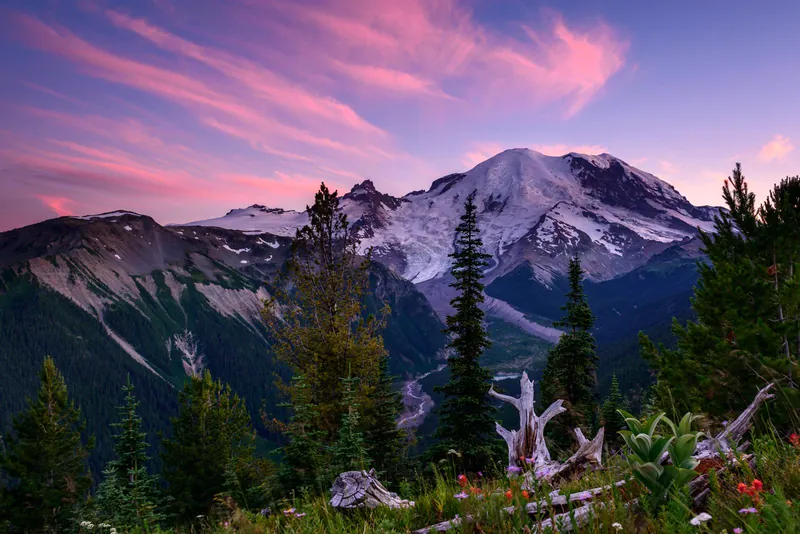 5 MM · 4 guides · 1 stopJD Hascup Photo · Public domain (US federal government)See what we have →
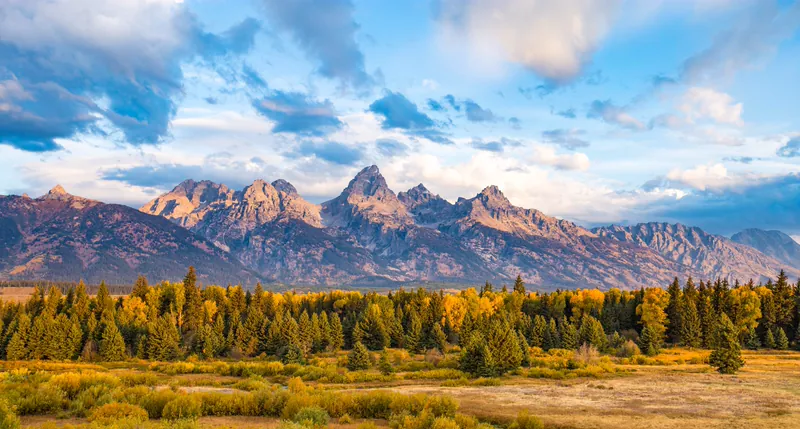 5 MM · 4 guides · 1 stopNPS Photo/Tobiason · Public domain (US federal government)See what we have →
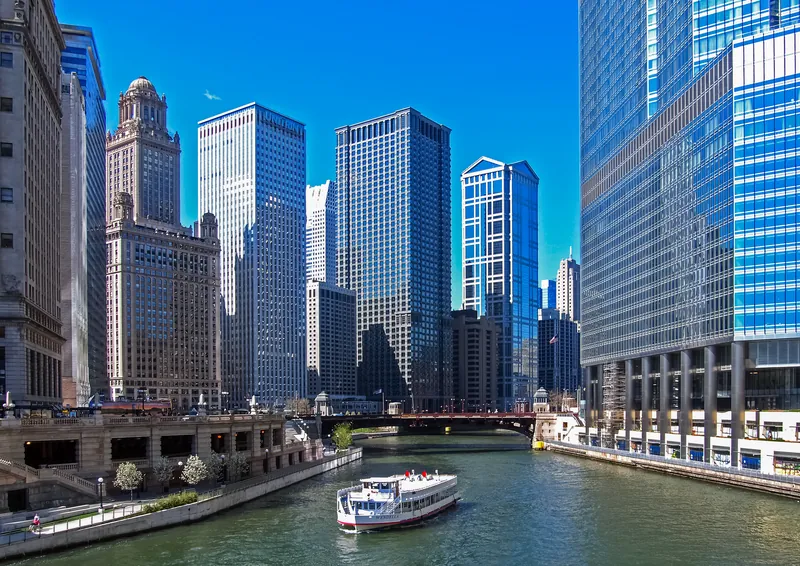 3 MM · 3 guidesFile:Chicago River ferry.jpg: John Picken derivative work: Georgfotoart · CC BY 2.0See what we have →
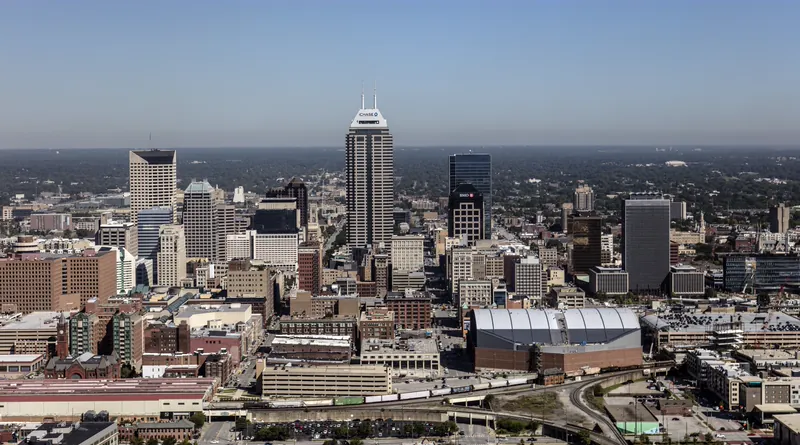 4 MM · 4 guidesCarol M. Highsmith · Public domainSee what we have →
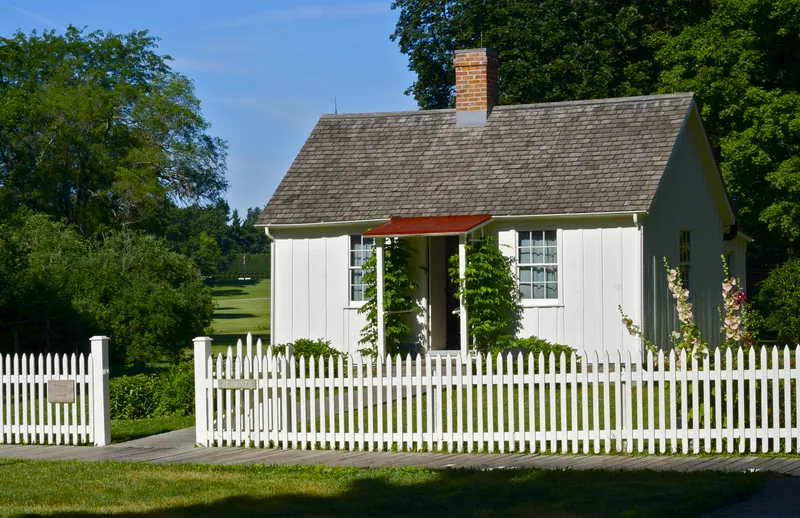 4 MM · 4 guidesNPS Photo/John Eicher · Public domain (US federal government)See what we have →
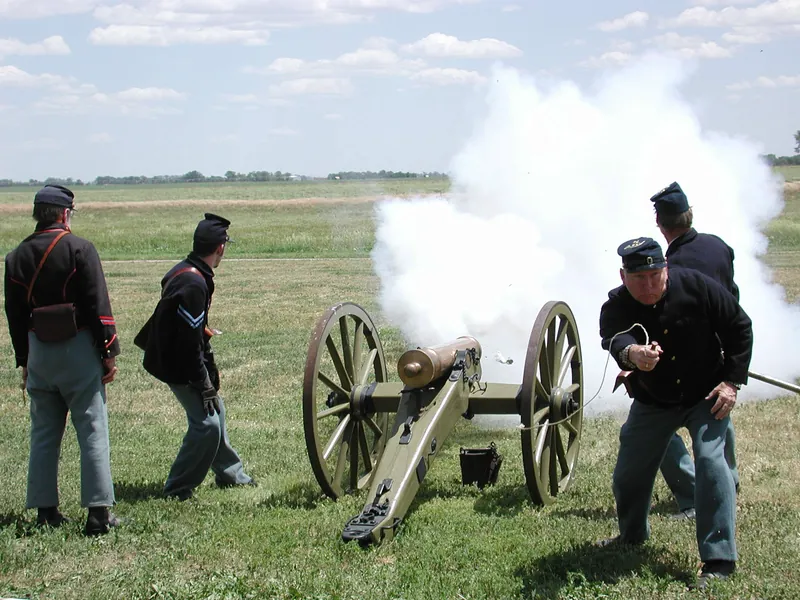 5 MM · 5 guidesNPS Photo · Public domain (US federal government)See what we have →
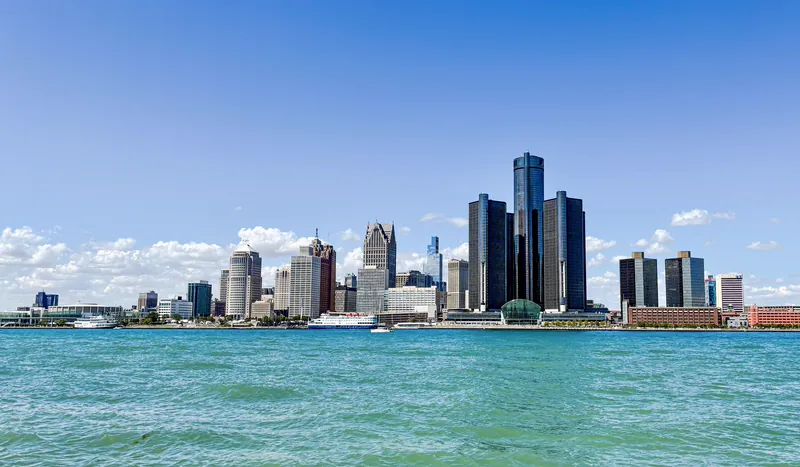 5 MM · 5 guidesTheWxResearcher · CC0See what we have →
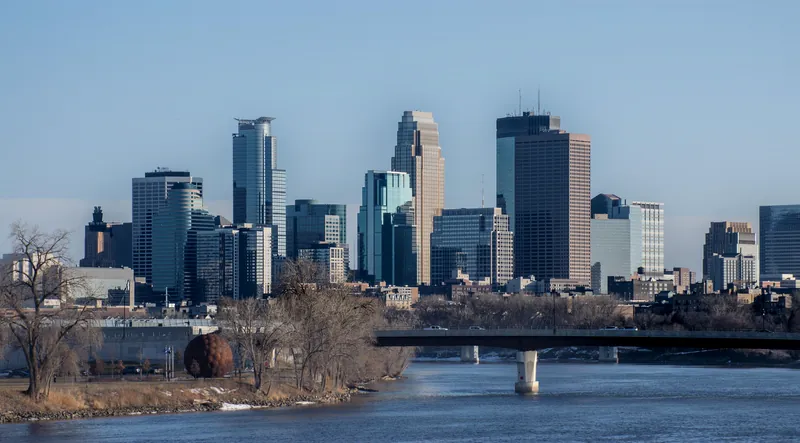 4 MM · 4 guidesBpA9543 · CC BY-SA 4.0See what we have →
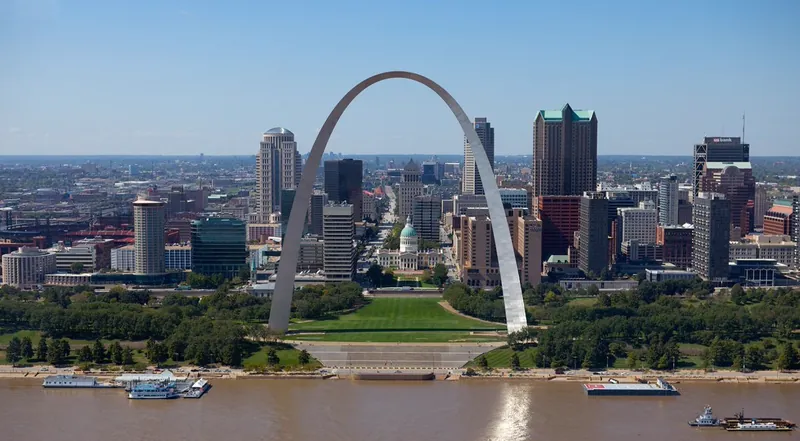 6 MM · 5 guides · 1 stopSam valadi · CC BY 2.0See what we have →
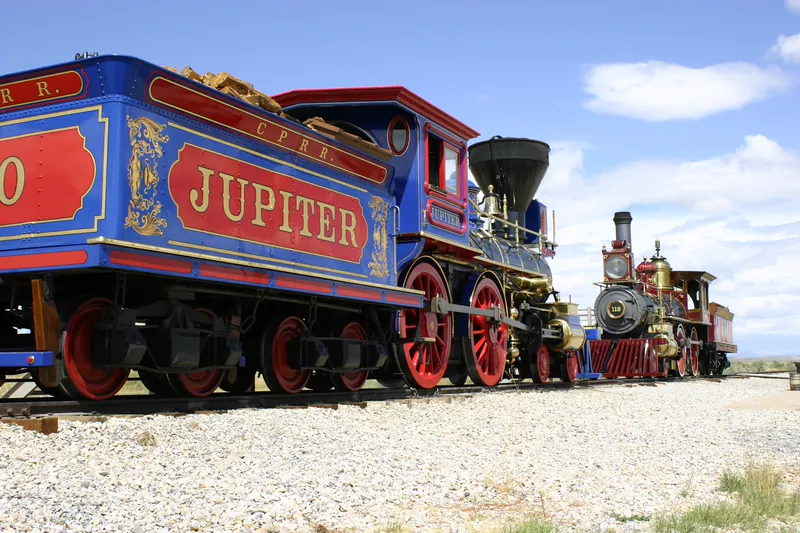 4 MM · 4 guidesNPS Photo · Public domain (US federal government)See what we have →
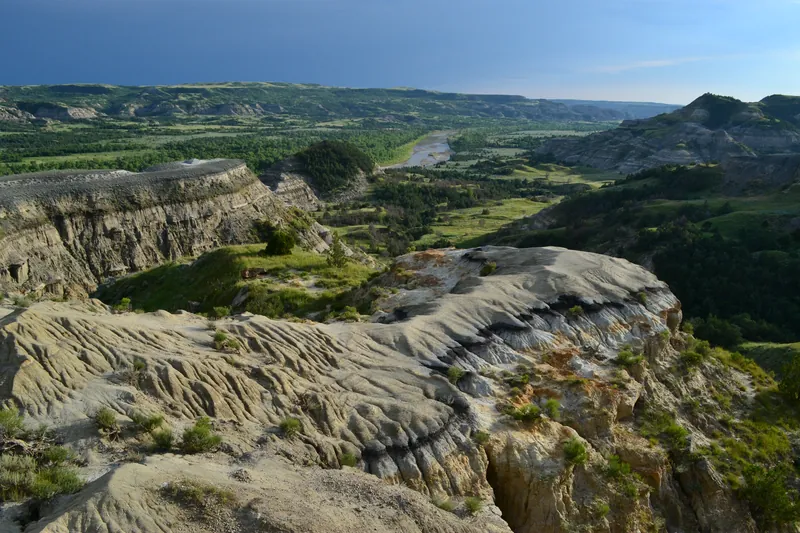 5 MM · 5 guidesNPS Photo / Mark Meyers · Public domain (US federal government)See what we have →
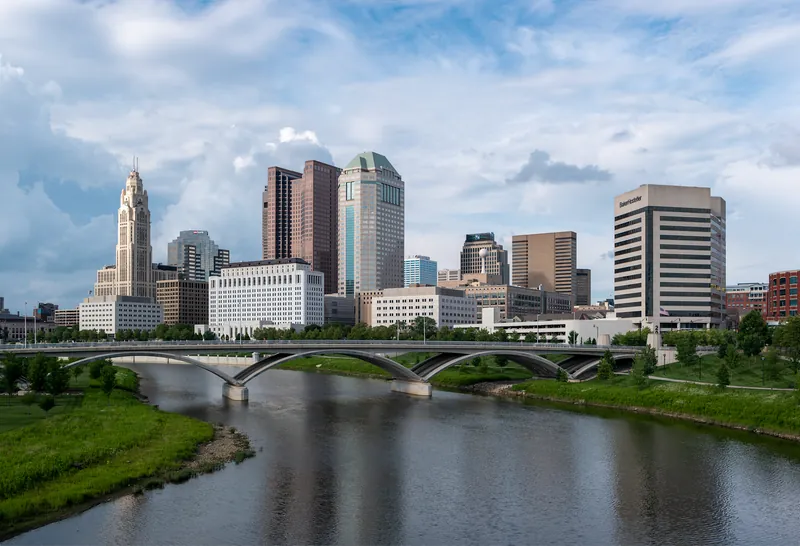 7 MM · 5 guides · 2 stopsPaul Wasneski · Public domainSee what we have →
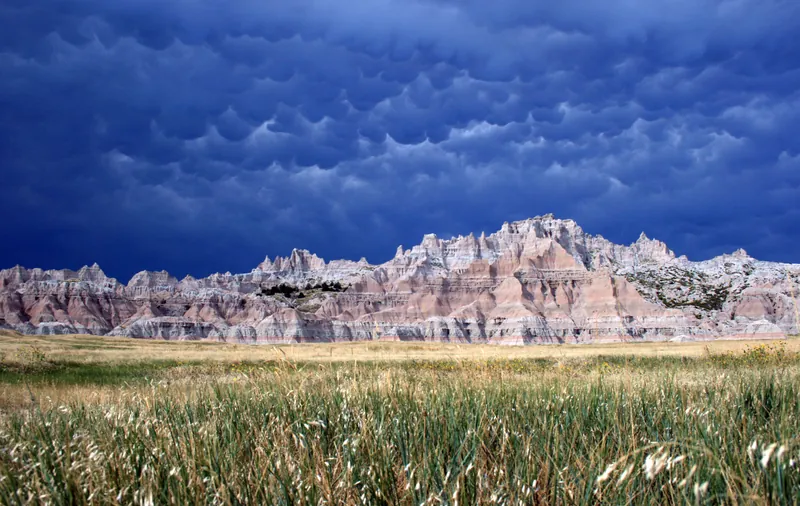 6 MM · 5 guides · 1 stopNPS Photo · Public domain (US federal government)See what we have →
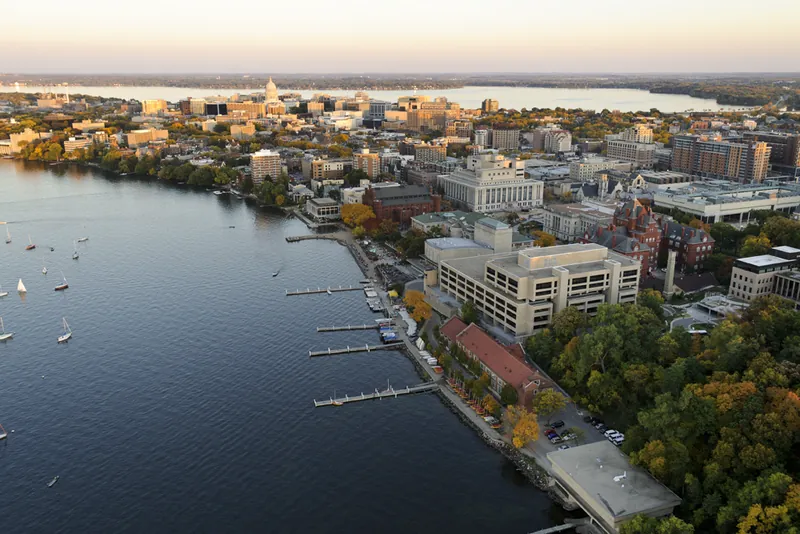 5 MM · 5 guidescollege.library · CC BY 2.0See what we have →
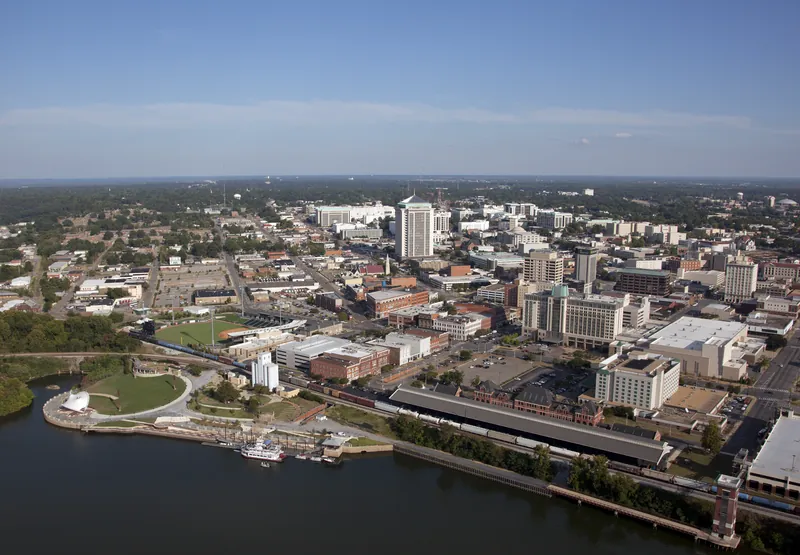 4 MM · 4 guidesCarol M. Highsmith · Public domainSee what we have →
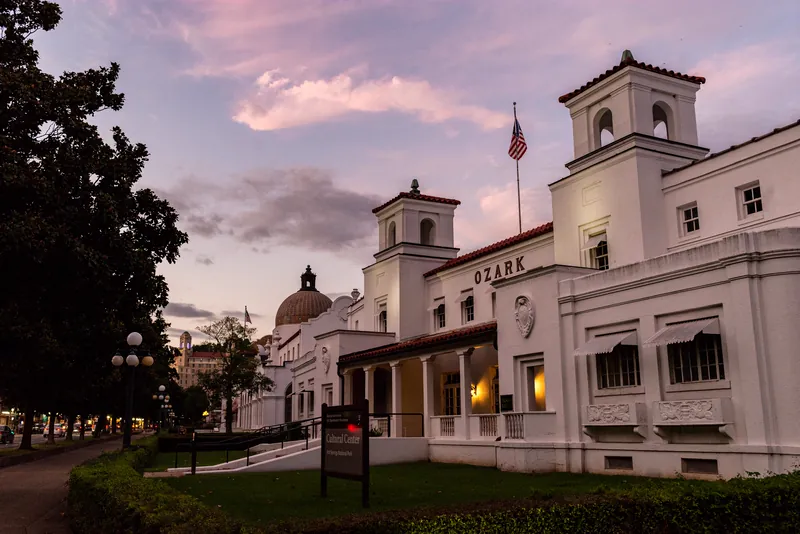 2 MM · 2 guidesMitch Smith · Public domain (US federal government)See what we have →
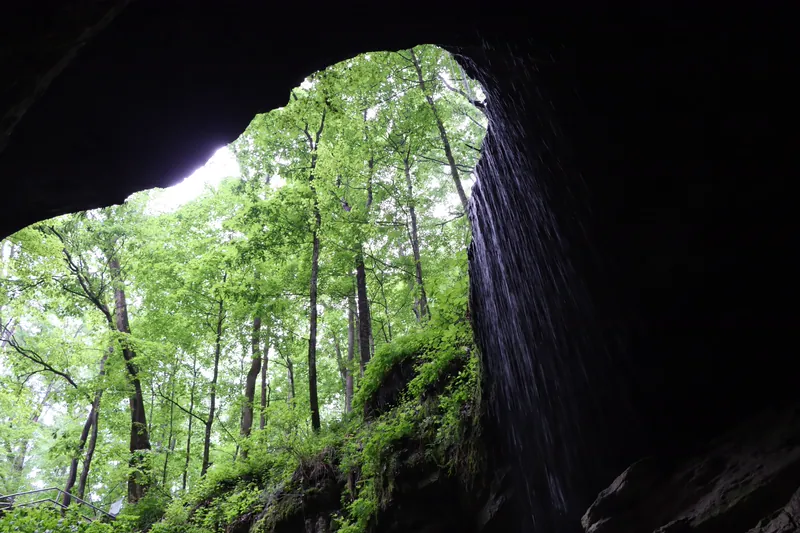 4 MM · 4 guidesNPS Photo / J. Cooper · Public domain (US federal government)See what we have →
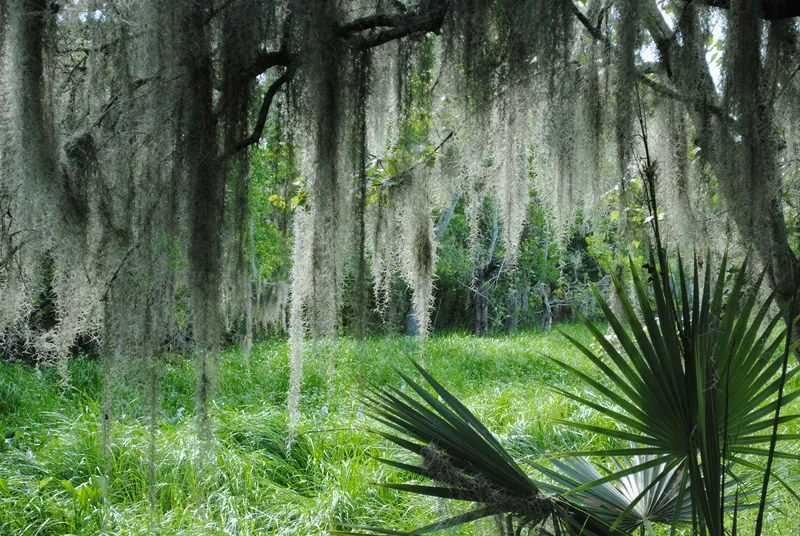 4 MM · 3 guides · 1 stopNPS Photo · Public domain (US federal government)See what we have →
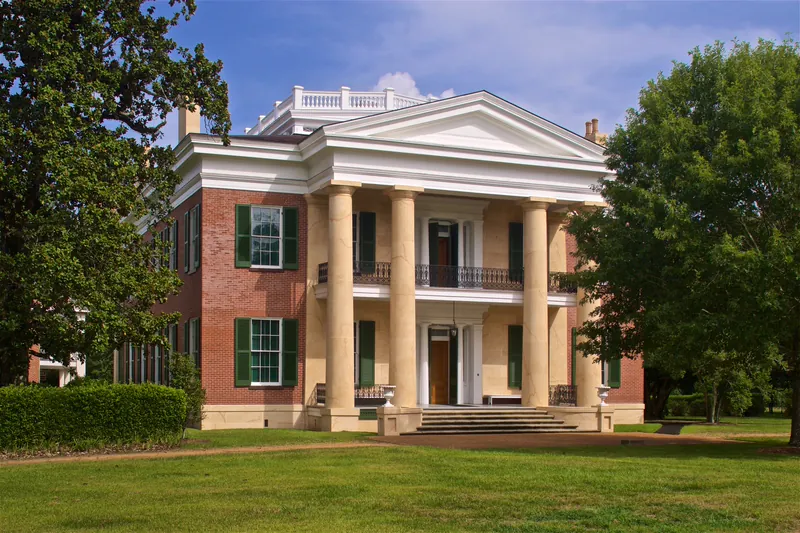 4 MM · 4 guidesNPS Photo · Public domain (US federal government)See what we have →
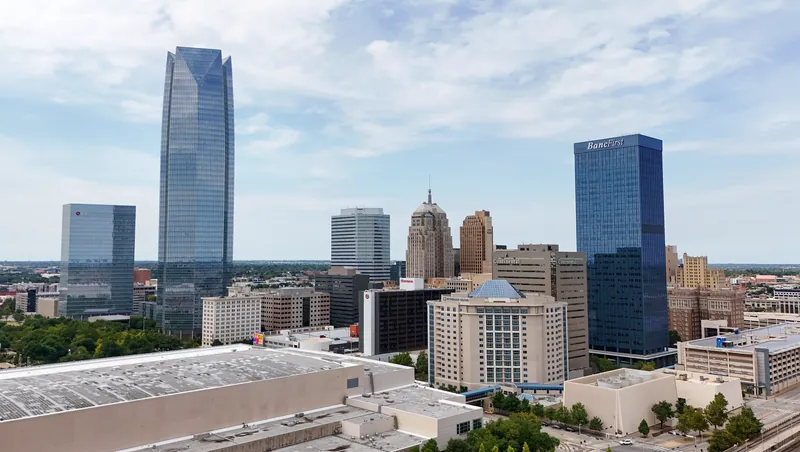 3 MM · 3 guidesQuintin Soloviev · CC BY 4.0See what we have →
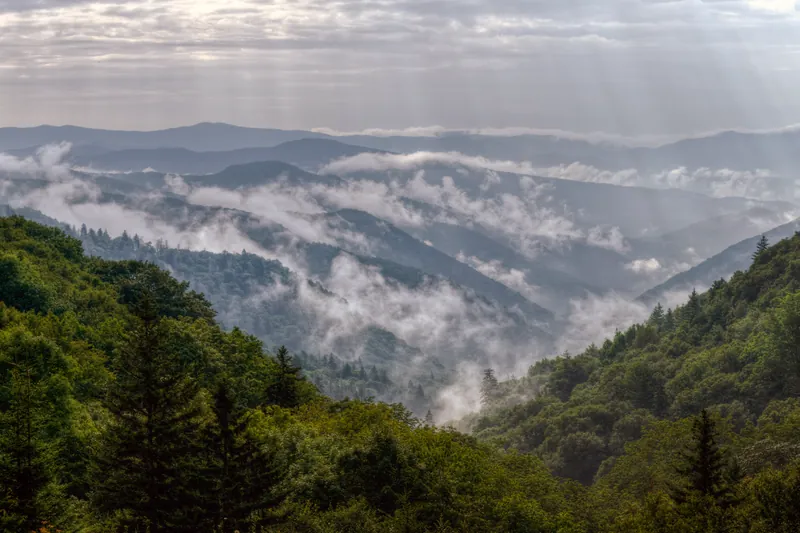 5 MM · 3 guides · 2 stopsKristina Plaas · Public domain (US federal government)See what we have →
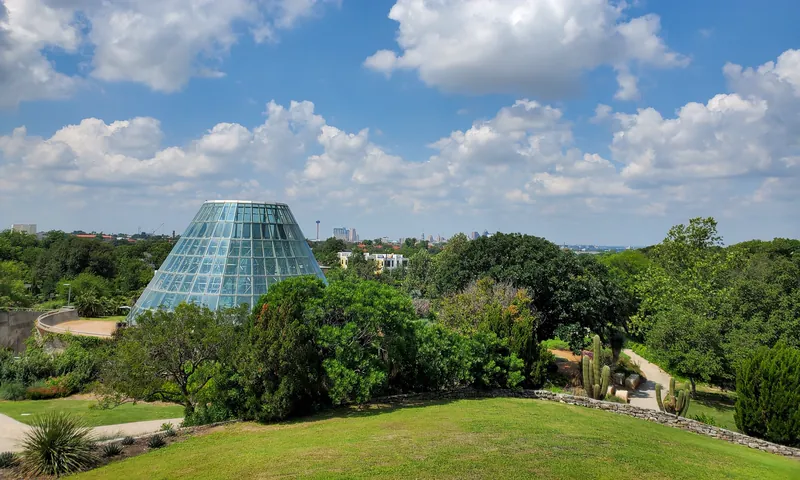 5 MM · 4 guides · 1 stopJouaienttoi · CC BY-SA 4.0See what we have →
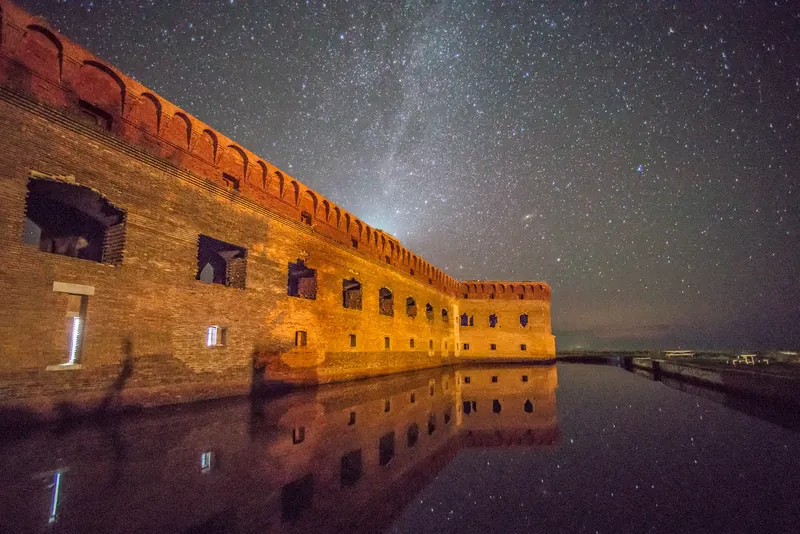 7 MM · 6 guides · 1 stopNPS Photo / Brett Seymour · Public domain (US federal government)See what we have →
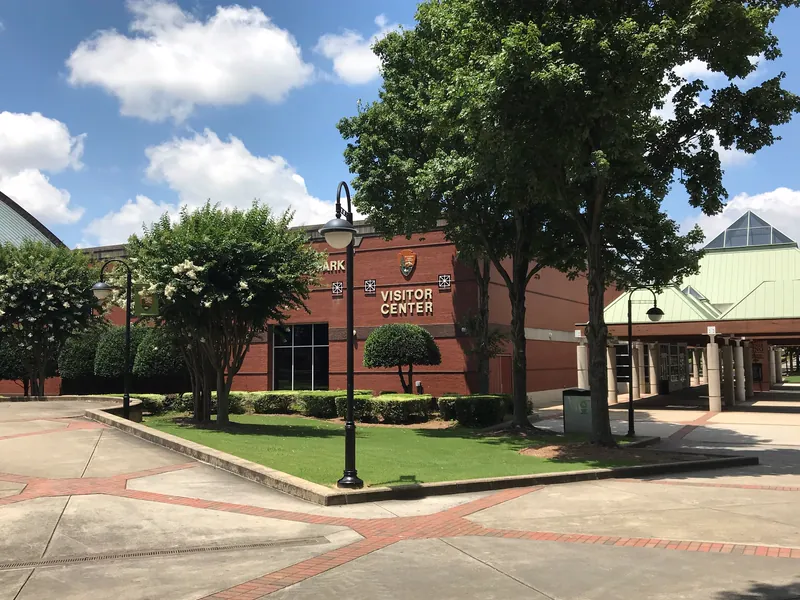 4 MM · 4 guidesNPS Photo · Public domain (US federal government)See what we have →
 5 MM · 5 guidesHarold Blackwood Photo · Public domain (US federal government)See what we have →
 4 MM · 4 guidesNPS Photo · Public domain (US federal government)See what we have →
 2 MM · 2 guidesNPS Photo / Neal Lewis · Public domain (US federal government)See what we have →
 4 MM · 4 guidesNPS Antietam/BBaracz · Public domain (US federal government)See what we have →
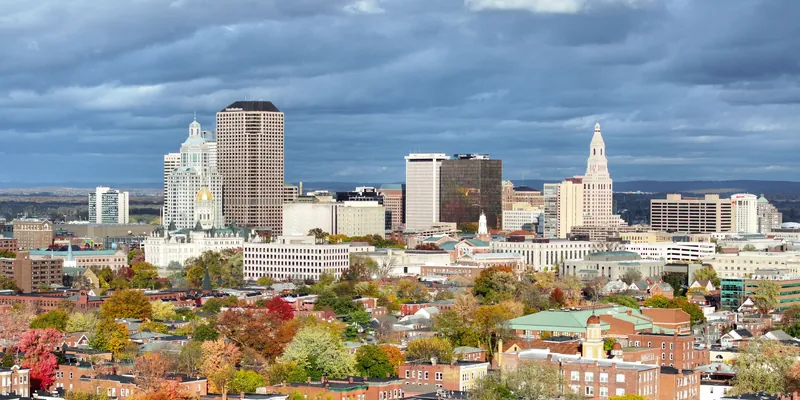 3 MM · 3 guidesQuintin Soloviev · CC BY 4.0See what we have →
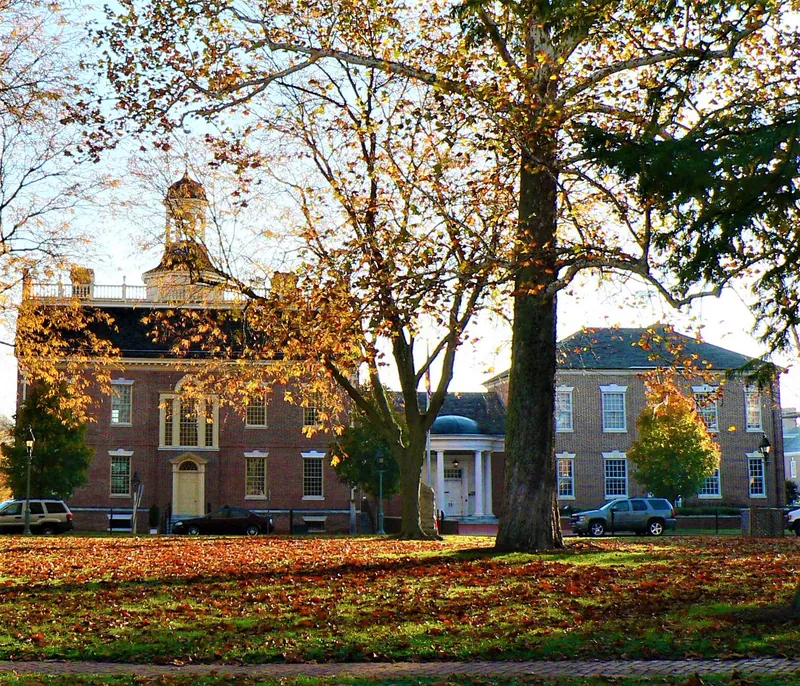 4 MM · 4 guidesNPS Photo · Public domain (US federal government)See what we have →
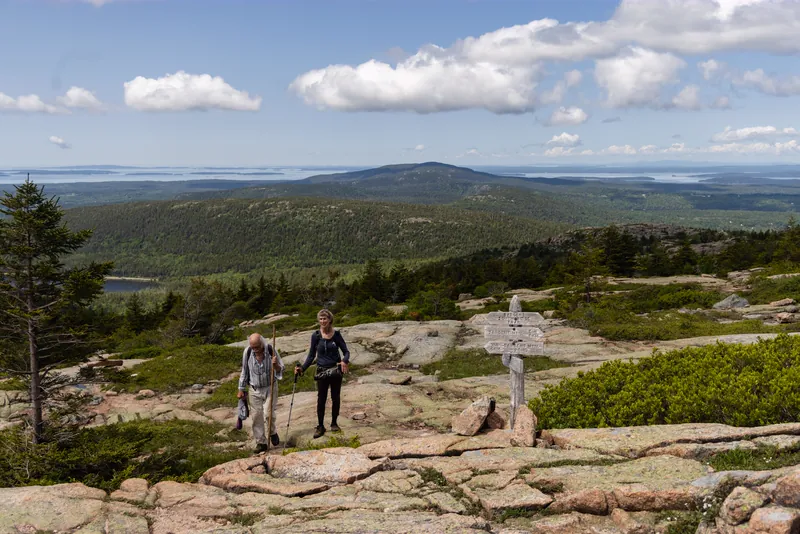 5 MM · 4 guides · 1 stopPhoto courtesy of Sam Mallon, Friends of Acadia · Public domain (US federal government)See what we have →
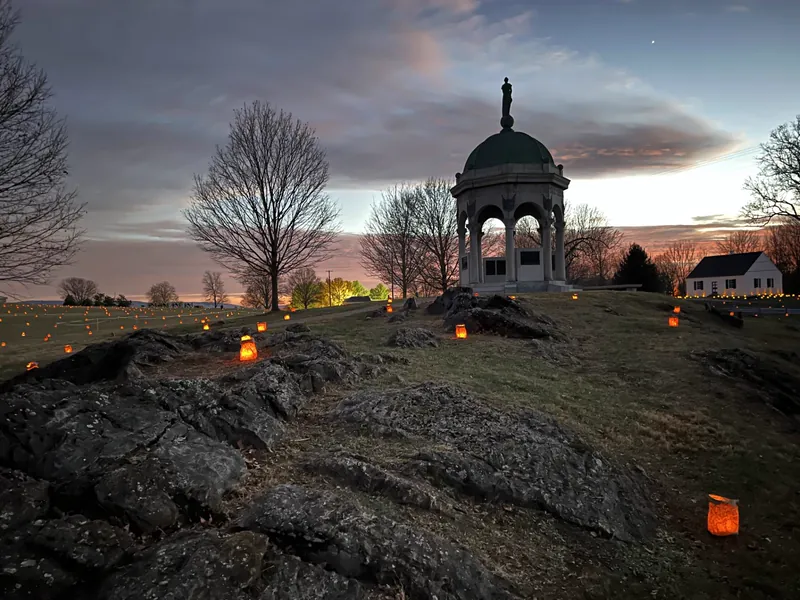 4 MM · 4 guidesNPS Antietam/BBaracz · Public domain (US federal government)See what we have →
 6 MM · 5 guides · 1 stopNPS Photo · Public domain (US federal government)See what we have →
 4 MM · 4 guidesAlexiusHoratius · CC BY-SA 3.0See what we have →
 4 MM · 4 guidesQuintin Soloviev · CC BY 4.0See what we have →
 6 MM · 3 guides · 3 stopsDllu · CC BY-SA 4.0See what we have →
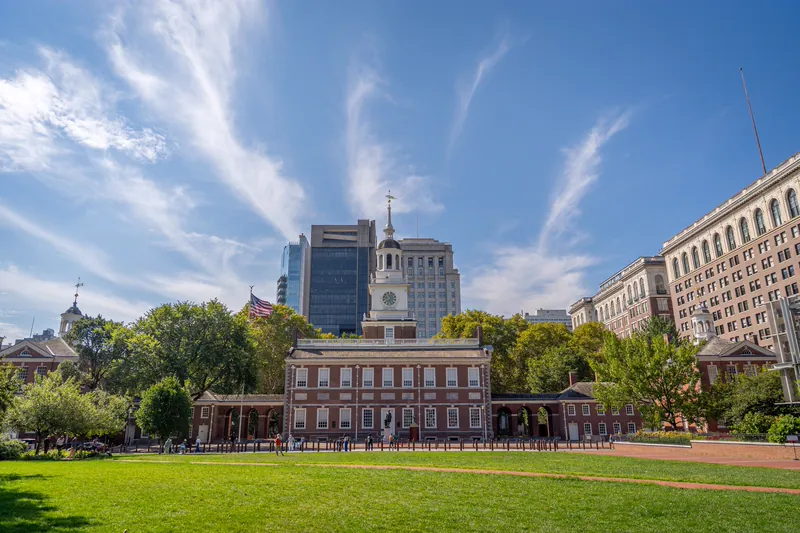 5 MM · 4 guides · 1 stopNPS Photo · Public domain (US federal government)See what we have →
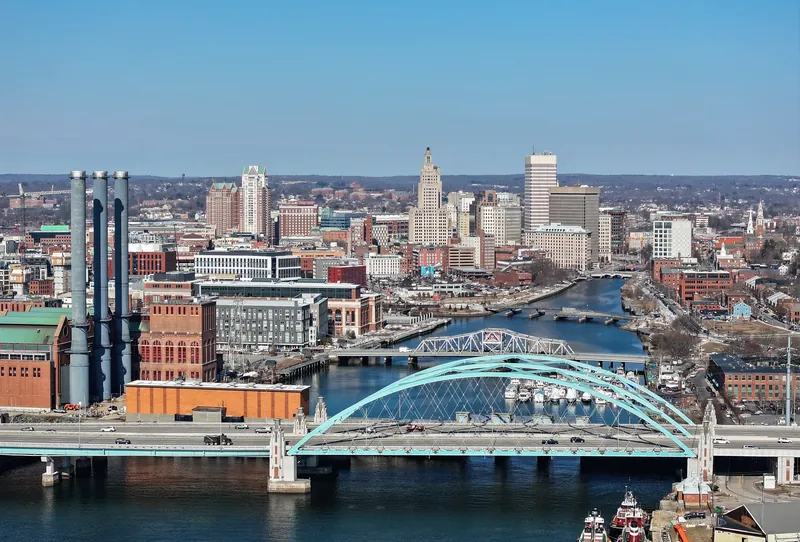 3 MM · 3 guidesQuintin Soloviev · CC BY 4.0See what we have →
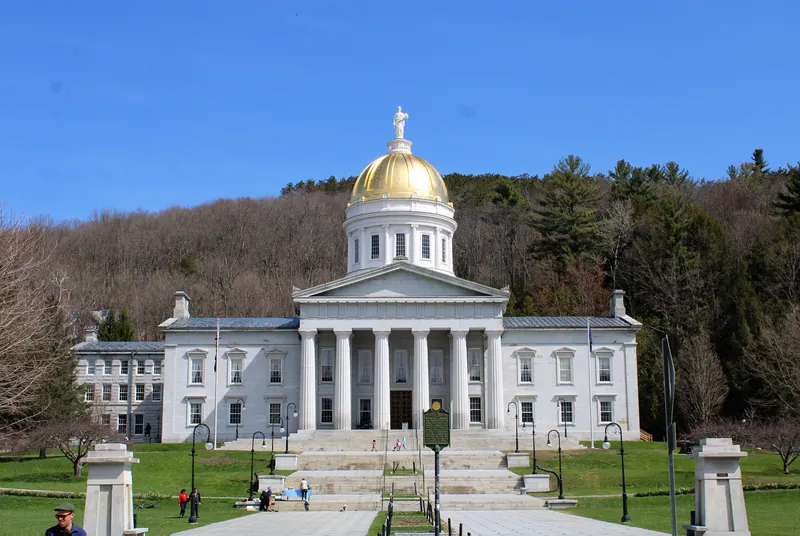 4 MM · 4 guidesFarragutful · CC BY-SA 4.0See what we have →
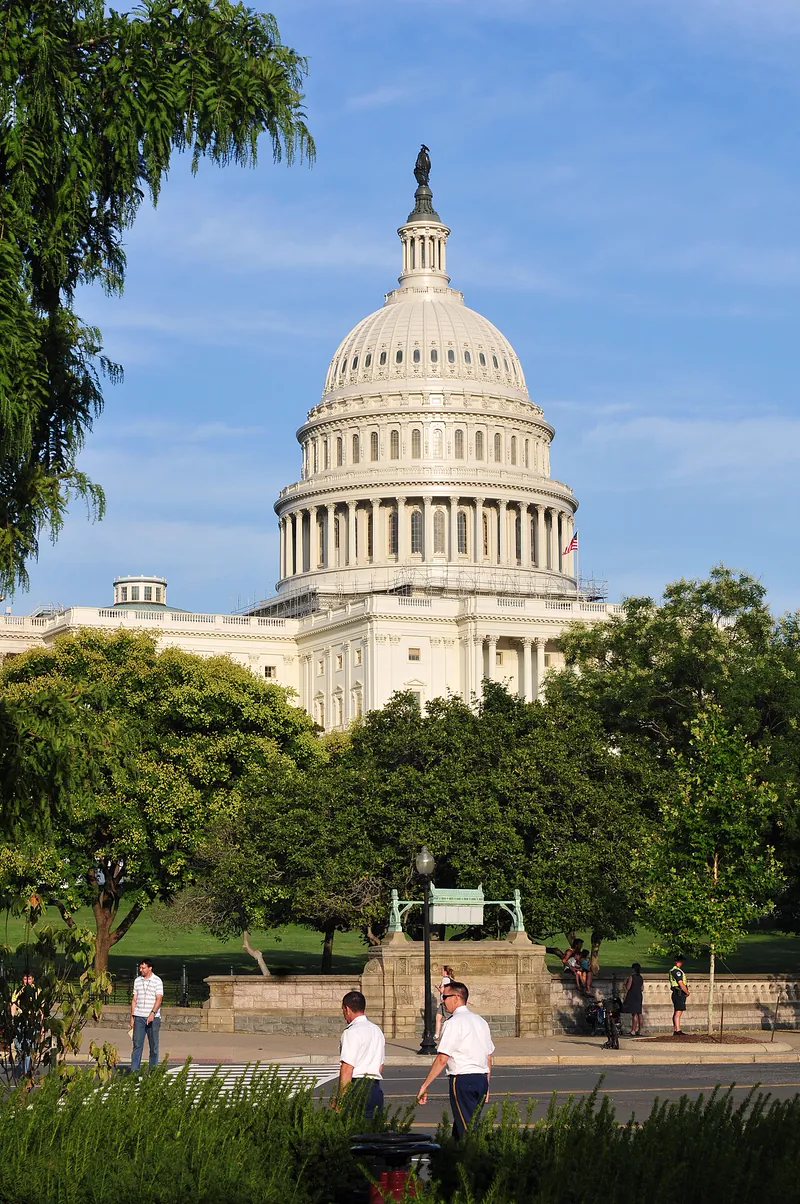 3 MM · 1 guide · 2 stopsRalf Roletschek - Infos über Fahrräder auf fahrradmonteur.de Wikis in der Ausbildung · CC BY-SA 3.0See what we have →
You cannot drive to these from the rest of the atlas, and in Hawaii you cannot drive between the islands either — each one is its own road. Everything we hold here is real and checked; it is the getting there that is a flight or a ferry.
One designated road at a time, with the guides we publish along it. We list the stops; how far you go in a day is yours to decide.
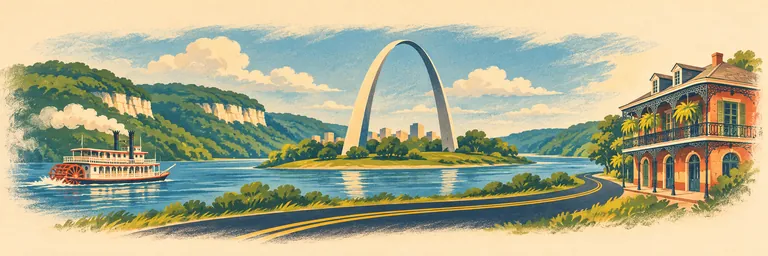
The road that follows the Mississippi from the headwaters in northern Minnesota down to the Gulf, through ten states and, as the Federal Highway Administration puts it, hundreds of river towns.
9 guides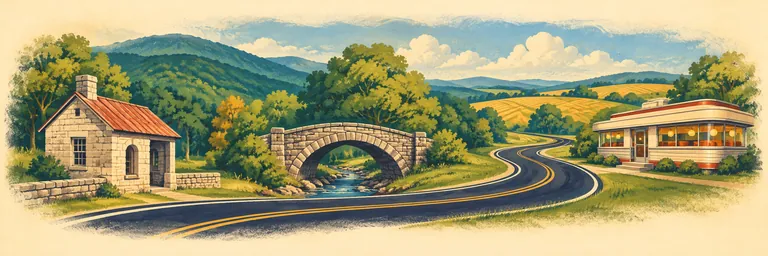
The first road the federal government ever paid to build, running west from Maryland to Vandalia, Illinois. The Federal Highway Administration calls what survives along it a physical timeline: inns, tollhouses, diners and motels.
4 guides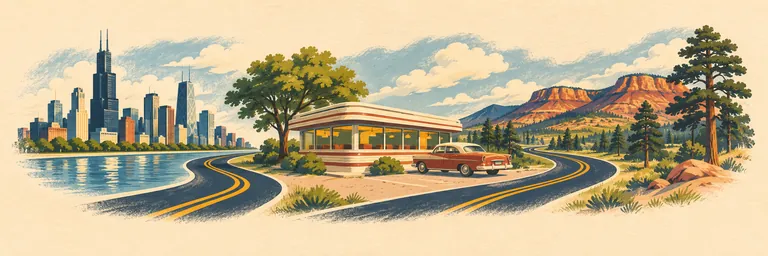
The Mother Road. The Federal Highway Administration’s designated byway runs 1,409 miles across six states; our guides on it run from Chicago as far west as Flagstaff.
8 guides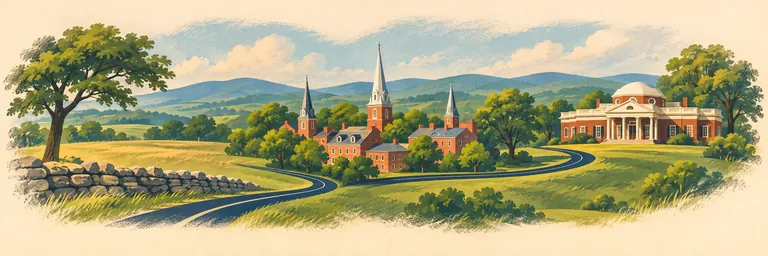
One hundred and eighty federally designated miles from Gettysburg down to Monticello, through ground the Revolutionary War, the Underground Railroad and the Civil War each crossed.
4 guides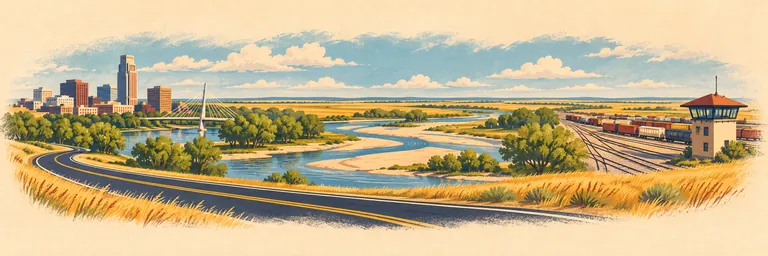
Four hundred and fifty designated miles of the Lincoln Highway, running west across Nebraska along the Platte.
3 guides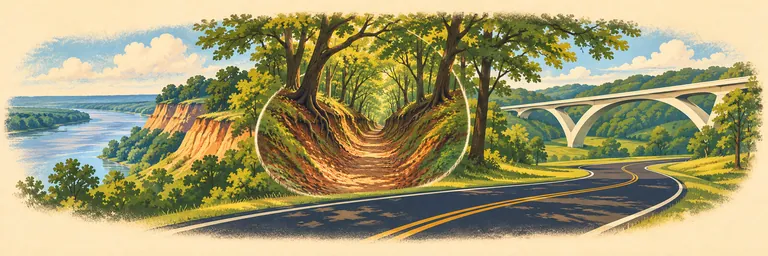
A 444-mile federal parkway running from Natchez up to Nashville, built along the historic overland route between the two.
4 guidesStops from across the guides, gathered by what they are rather than where they are.
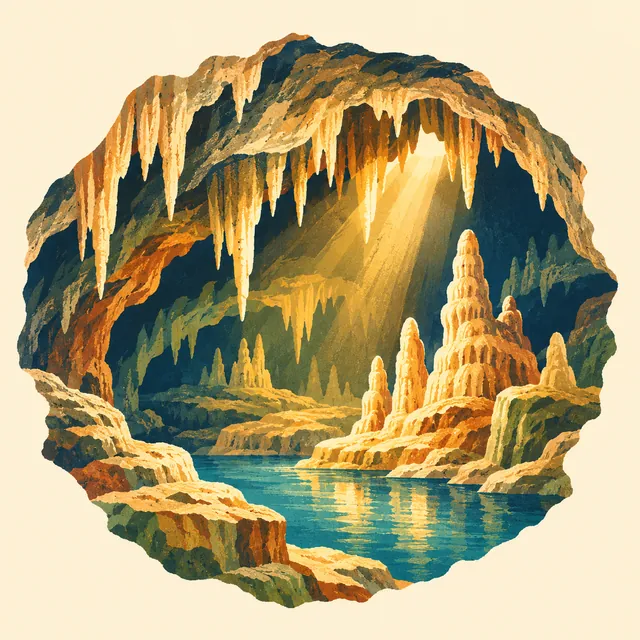
Places the Highway Heads guides send you below ground: lava tubes, show caves, a working salt mine, a buried city street and a drinking-water reservoir turned echo chamber.
16 stops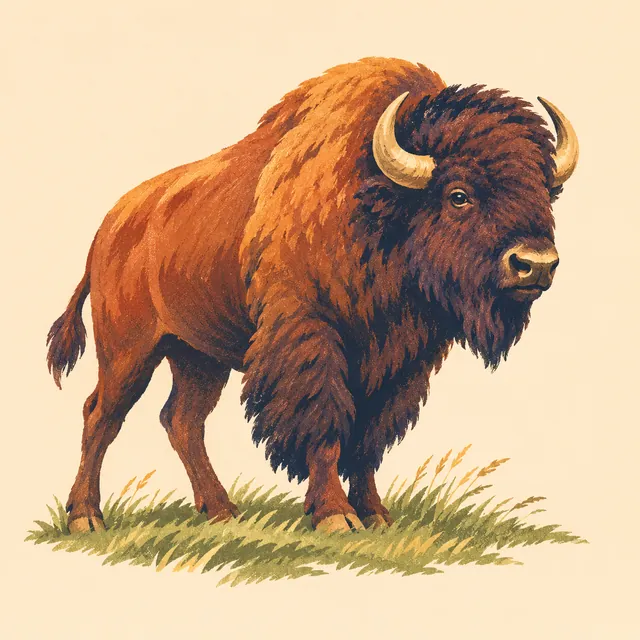
Where the Highway Heads guides find animals: wild horses on two barrier islands, bison inside a city park, elk returned to a valley after a century away, free zoos, and a fish hatchery that has been raising trout since 1892.
26 stops
Markets, distilleries, factory floors and counters the Highway Heads guides stop at: a brewery inside a bathhouse, another inside a church, a public market trading since 1852, and the diner that says it invented the corn dog.
25 stops
Where the Highway Heads guides find deep time: tracks pressed into a riverbed, a mammoth with butchery marks on its bones, exposed fossil beds older than the trees, and seven concrete dinosaurs a Depression-era work crew put on a hill.
11 stops
Towers the Highway Heads guides stop for, on three coasts and the Great Lakes. Some you can climb, some are still working aids to navigation, and one was left unpainted so ships could tell it from its neighbour.
14 stops
Working yards, grand depots, a rack railway climbing Mount Washington since 1869, and the largest classification yard in the world. The country was laid out by railways, and the Highway Heads guides keep running into them.
26 stops
Parks the Highway Heads guides stop for: a trolley park running since 1898, a wooden coaster that enthusiast polls keep calling the best in the world, a recreated 1880s town built around a cave, and the one Walt Disney opened himself.
14 stopsFog-friendly viewpoints, cable cars, and family stops worth the detour.
Hands-on science, forest walks, and doughnuts worth the detour.
Easy rim stops, geology stories, and a sunset plan that actually works.
A city so steep that in 1873 it started hauling carriages up the hills by gripping a cable running under the street, and still does.
Read the Road-Trip GuideThe sign that used to sell real estate, the park where Walt Disney invented Disneyland on a bench, and a burger stand that's been on the same corner since 1946.
Read the Road-Trip GuideFifty German vintners built a wine colony by a dry riverbed in 1857; Walt Disney bought the orange groves next door a century later, and the region has been arguing about theme parks ever since.
Read the Road-Trip GuideA 7,000-foot mountain town in the middle of the desert, where a 1958 law about searchlights turned into the world's first Dark Sky City and the observatory up the hill found Pluto.
Read the Road-Trip GuideA mile-deep canyon everyone already knows, a Fred Harvey watchtower built in 1932 to look older than it is, and a movie one man screened in his own basement every day for six decades.
Read the Road-Trip GuideA UNESCO World Heritage compound Frank Lloyd Wright's apprentices hand-built from desert rock, a single golf hole that seats 20,000 screaming fans, and heat so extreme the city legally closes its own hiking trails.
Read the Road-Trip GuideA Spanish mission that became a Texas shrine, a river that runs one story below the sidewalk, and a taco two restaurants both swear they invented.
Read the Road-Trip GuideA NASA visitor center with a real moon rocket, a 21-museum district where most doors are free, and the Tex-Mex kitchen that invented the fajita.
Read the Road-Trip GuideA finance skyline twenty miles from a real cattle drive that still runs twice a day through the middle of the other city.
Read the Road-Trip GuideA national park with a downtown avenue running straight through it, water that fell as rain 4,000 years ago, and a Prohibition-era gambling history Al Capone helped write.
Read the Road-Trip GuideThe high school where the Little Rock Nine walked past a wall of paratroopers, a presidential library cantilevered over the river, and a fight over who really invented cheese dip.
Read the Road-Trip GuideThe city that named itself after ancient Egypt, then spent a century proving Beale Street's nickname: Home of the Blues.
Read the Road-Trip GuideA city that built a full-size Parthenon to prove a nickname, then found a saber-toothed cat under downtown.
Read the Road-Trip GuideA park where the tallest peak just got its Cherokee name back, the fireflies count off in unison, and the ridgelines really do smoke.
Read the Road-Trip GuideA capital city with Class IV rapids running past downtown, a Jefferson-designed Capitol with no dome, and a fine-arts museum that's free.
Read the Road-Trip GuideA 105-mile ridgeline drive with 75 overlooks, black bears in the underbrush, and the world's largest musical instrument hidden in a cave underneath it all.
Read the Road-Trip GuideA city that built a whole park named after a pretzel and still can't settle its own cheesesteak argument.
Read the Road-Trip GuideA skyscraper built as a Gothic cathedral for a university, three rivers meeting at a fountain, and a brewery inside a deconsecrated church.
Read the Road-Trip GuideA sandy peninsula that keeps trying to become an island, a warship raised twice from the lake bottom, and a riot over train tracks.
Read the Road-Trip GuideA city built by a coin flip's cousin — Dutch traders bought it, the English renamed it out of spite, and it never stopped arguing about pizza.
Read the Road-Trip GuideOne stop with two identities: a 300-year-old capital with a staircase full of hidden faces, and a lakeside village that became baseball's shrine on the strength of one letter.
Read the Road-Trip GuideOne waterfall, two countries, and a woman who survived going over it in a barrel on her 63rd birthday.
Read the Road-Trip GuideA city that tucked a 5,000-acre forest inside its limits, sorts its bookstore by color, and still argues about doughnuts.
Read the Road-Trip GuideAn Art Deco capitol, ten waterfalls half an hour east, and the hometown of the man who saved Christmas.
Read the Road-Trip GuideA fur-trading outpost from 1811 that spent a century fishing salmon, then became the town Hollywood keeps disguising as everywhere else.
Read the Road-Trip GuideA town that renamed itself after a Navy cannon washed ashore, then spent decades keeping out the chain stores to stay that way.
Read the Road-Trip GuideA city that buried its own downtown under twenty feet of new street, then built a gum-covered wall a block away almost by accident.
Read the Road-Trip GuideA state capital with a dome taller than St. Paul's Cathedral, a punk record label run out of a kitchen, and a lake the state is now trying to un-build.
Read the Road-Trip GuideThe smallest city of its day to host a World's Fair turned the fairgrounds into a park with a litter-eating goat sculpture and never looked back.
Read the Road-Trip GuideA dying Cascade Mountains logging town rebuilt every storefront to look Bavarian in the 1960s, and now pulls in more visitors a year than most cities its size see in a decade.
Read the Road-Trip GuideA state capitol heated by water pulled from 3,000 feet underground, a downtown block that speaks Basque, and a football field the university had to trademark.
Read the Road-Trip GuideA lake that once swallowed Ford Model Ts through the ice, a 2,300-ton golf green that floats and moves, and a name that started as a trader's insult.
Read the Road-Trip GuideAmerica's first destination ski resort, built in seven months on a sheep ranch, with the world's oldest working chairlift still running in Alaska.
Read the Road-Trip GuideA silver-mining town so proud of its own history it declared a downtown manhole cover the Center of the Universe, then made an interstate go over it on stilts.
Read the Road-Trip GuideFour broke prospectors named a gulch after their last shot at gold, found $3.6 billion of it, and built a state capital on top of the hole.
Read the Road-Trip GuideA railroad town that grew from three buildings to two thousand in a few months, wrapped in 500-foot sandstone cliffs, with 2,000-year-old rock art five miles south.
Read the Road-Trip GuideA trail-boss's namesake town that once grew three-quarters of the nation's seed peas and now keeps thirteen T. rexes in a museum next to the university.
Read the Road-Trip GuideA hill so rich in copper it earned its own nickname, mined into a mile-wide toxic lake, watched over by a 90-foot statue on the Continental Divide.
Read the Road-Trip GuideA railroad town that out-waited its rival, built on land whose Salish name literally means "flat land above the lake," 31 miles from Glacier's front door.
Read the Road-Trip GuideA railroad camp so rowdy it needed its own territorial government, now split between a ten-day rodeo and 150 missiles on round-the-clock alert.
Read the Road-Trip GuideA town Buffalo Bill built to funnel Yellowstone-bound tourists past his own hotel, his own dam, and a rodeo that runs every single night of the summer.
Read the Road-Trip GuideFour arches built one shed elk antler at a time frame the Town Square, and the road north out of town leads straight to Grand Teton National Park's front door.
Read the Road-Trip GuideA fort whose name nobody can spell the same way twice, four emigrant trails that funneled through the same river crossing, and a refinery that once made more gasoline than anywhere else on Earth.
Read the Road-Trip GuideForty-four life-size bronze presidents wait on downtown street corners, a mountain nearby took roughly 90% dynamite to become four faces, and the badlands that gave the whole region its name sit seventy-five miles east.
Read the Road-Trip GuideA capitol modeled on another state's, a dam President Kennedy dedicated in person, and the one U.S. state capital with no freeway of any kind.
Read the Road-Trip GuideA waterfall too stubborn to dam, a stainless-steel arc a football field long, and the reason your credit card bill might carry a South Dakota return address.
Read the Road-Trip GuideA National Historic Landmark gold-rush town that brought casino gambling back to Main Street in 1989 for one specific reason: to pay for saving Main Street.
Read the Road-Trip GuideA town of under 700 people whose drugstore gives away free ice water to two million visitors a year, on the strength of a sign that once worked from clear across the Atlantic.
Read the Road-Trip GuideA 21-story Art Deco tower where most states put a dome, an On-A-Slant Mandan village older than the Louisiana Purchase, and the fort Custer rode out of for the last time.
Read the Road-Trip GuideNorth Dakota's largest city, named for a Wells Fargo director, built around a 1926 Art Deco theatre with a Mighty Wurlitzer that still plays.
Read the Road-Trip GuideA town of 160 people founded by a French marquis in 1883, sitting at the mouth of the badlands where a young Theodore Roosevelt learned to ranch.
Read the Road-Trip GuideThe 26-foot World's Largest Buffalo stands here, watching over the North American Bison Discovery Center and a Frontier Village where Louis L'Amour's home town began.
Read the Road-Trip GuideA prairie college town at the fork of two rivers, with a riverside greenway, a walkable rebuilt downtown and a $104 million college hockey arena.
Read the Road-Trip GuideThe city of thirteen lakes, the only natural waterfall on the Mississippi, the Endless Bridge that dead-ends over the river, and a stone bridge Great Northern built before there was a state fair.
Read the Road-Trip GuideMinnesota's capital — a Cass Gilbert marble dome, a copper-clad cathedral on the bluff, an ice-palace tradition older than most American cities, and F. Scott Fitzgerald's Summit Avenue.
Read the Road-Trip GuideThe farthest inland ocean port in the world sits on Lake Superior, under a 135-foot lift bridge that goes up five thousand times a year, in a city that climbs 820 feet from waterline to hilltop.
Read the Road-Trip GuideThe First City on the Mississippi, where Paul Bunyan and Babe have stood since 1937, and where you can wade across the river that becomes the Mississippi thirty miles south.
Read the Road-Trip GuideThe only state capital squeezed onto an isthmus between two lakes, with a granite dome larger than any other on Earth.
Read the Road-Trip GuideThree rivers meet Lake Michigan, an art museum spreads its wings when the museum opens, and “Brew City” is honest history.
Read the Road-Trip GuideThe only town in major American professional sports where the fans literally own the team.
Read the Road-Trip GuideA river gorge that became a photograph, that became a postcard, that became the largest concentration of waterparks on Earth.
Read the Road-Trip GuideA working-class port city where restored 1950s streetcars still run their own loop past four museums and eight miles of open lakefront.
Read the Road-Trip GuideA city built twice on a swamp, jacked up out of the mud a floor at a time in the 1850s, then rebuilt from ashes after 1871 — and it’s still arguing about pizza.
Read the Road-Trip GuideThe only city that can tell you the address of Abraham Lincoln’s front door, his law office, his old church pew and his favorite pie shop — he lived here 24 years.
Read the Road-Trip GuideA frontier river town that once rivaled Chicago in size, produced nine Civil War generals from a population of 8,000, and preserved 85% of its downtown in the process.
Read the Road-Trip GuideA 68,000-pound steel baseball bat leans against a downtown warehouse, a fried-chicken colonel is buried in a full suit in an arboretum, and every May the whole city stops for two minutes.
Read the Road-Trip GuideA city so protective of its horse farms that in 1958 it drew the country's first-ever urban growth boundary, with a line the shopping centers still can't cross.
Read the Road-Trip GuideKentucky's capital won the job with a log cabin, some nails and a stack of gold coins, and its newest showpiece, a 10,000-flower clock, is still ticking on the lawn.
Read the Road-Trip GuideA sinkhole once opened under a showroom floor and swallowed eight Corvettes, and the man who invented the modern restaurant guide grew up on these same streets.
Read the Road-Trip GuideA capital city at the meeting of two rivers, under a 292-foot Cass Gilbert dome that stands as the tallest structure in the state.
Read the Road-Trip GuideA town of 269 people at the exact point where the Potomac and Shenandoah rivers meet, and where Maryland, Virginia and West Virginia touch.
Read the Road-Trip GuideA bridge that held the world-highest-roadway title for 24 years, over a gorge that became a national park and preserve in 2020, one year a bridge closed to traffic so people can jump off it on purpose.
Read the Road-Trip GuideA river town built around a 25,000-student university, connected by a driverless transit system that's been running since 1975.
Read the Road-Trip GuideA capital city built where no town had ever stood, anchored by a free dinosaur hall and a carousel carved in 1912.
Read the Road-Trip GuideA doorstop that turned out to be a 17-pound gold nugget started America's first gold rush here, and the mint built to coin that gold is now the state's oldest art museum.
Read the Road-Trip GuideAmerica's largest privately owned house sits here, 250 rooms and an indoor pool built in 1895, thirty minutes from the highest peak east of the Mississippi.
Read the Road-Trip GuideThe place credited with the first flight isn't where it actually happened, a lighthouse here was left unpainted on purpose, and wild Spanish horses still run the northern beaches.
Read the Road-Trip GuideA battleship the size of three football fields sits in the river downtown, and half the shows on your watchlist were probably filmed a few blocks away.
Read the Road-Trip GuideFounded by the English in 1670, its harbor is where the Civil War began in 1861 and, per Wikipedia's account, nearly half of all enslaved people brought to the United States first arrived.
Read the Road-Trip GuideSouth Carolina's first planned capital, laid out in 1786 at the point where the Broad and Saluda rivers join to form the Congaree.
Read the Road-Trip GuideNamed for the local wax-myrtle shrubs in the early 1900s, now anchoring a 60-mile stretch of coast that draws over 20 million visitors a year and, per Tiger Woods, earned the nickname mecca of golf.
Read the Road-Trip GuideNamed for a 1663 sea captain's landmark, its 12 miles of Atlantic beach sit alongside Mitchelville, founded by formerly enslaved people after the Civil War, and a Gullah Geechee community still present on the island today.
Read the Road-Trip GuideThe birthplace and pulpit of Martin Luther King Jr., a 22-mile trail built from old railroad track, and a drive-in that calls itself the world's largest — Atlanta earns more than a gas stop between exits.
Read the Road-Trip GuideA city planned square by square before a single house went up, where one woman waved at every ship for 44 years and a dead dairy became an arts district.
Read the Road-Trip GuideA tree that owns itself, an archway freshmen aren't supposed to walk under, and the bars that produced R.E.M. and the B-52’s.
Read the Road-Trip GuideA gunpowder factory the Union chose not to burn, a golf tournament so private it won’t sell you a ticket, and the church basement where Morehouse College got its start.
Read the Road-Trip GuideA citrus-farming hub until 1971, when a single theme park turned it into what Wikipedia's account calls the top tourist destination in the United States.
Read the Road-Trip GuideThe only major U.S. city founded by a woman — citrus grower Julia Tuttle, who talked a railroad magnate into extending his line south — now home to the world's largest collection of Art Deco buildings.
Read the Road-Trip GuideA town nicknamed Space City USA in the 1960s, sitting just west of the pads where the Saturn V once lifted off — the rocket itself now lies on its side inside a building built to hold it.
Read the Road-Trip GuideFounded in 1565, decades before Jamestown or Plymouth — Wikipedia's own account calls it the oldest continuously inhabited European-established settlement in what is now the contiguous United States.
Read the Road-Trip GuideBy the 1830s the wealthiest city per capita in the United States, reached today by a 106.5-mile highway built over the rail line a 1935 hurricane destroyed.
Read the Road-Trip GuideAlabama has had five capitals and four capitol buildings, and the one still standing in Montgomery is also where a young radio performer named Hank Williams got his start.
Read the Road-Trip GuideThe Birmingham District is the only place on Earth where iron ore, coal and limestone all turn up close together — which is why a 56-foot cast-iron Roman god still stands watch over the city that iron built.
Read the Road-Trip GuideAlabama's briefly-held first state capital is now its most populous city, built around a rocket program instead of a courthouse.
Read the Road-Trip GuideBefore it was Louisiana's capital, and before New Orleans even existed, this Gulf Coast port started throwing the parade that became American Mardi Gras.
Read the Road-Trip GuideMississippi's capital calls itself "The City with Soul," and its Farish Street neighborhood once housed the record labels — Trumpet, Ace, Speir Phonograph — that helped make that true.
Read the Road-Trip GuideFrench Louisiana's capital moved through Biloxi on its way from Mobile to New Orleans, and the beach it left behind became such a draw that a 1953 taxpayer-funded rebuild sparked a decade-long fight over who could use it.
Read the Road-Trip GuideNatchez was Mississippi's capital before Jackson existed, and by the 1850s its bluff-top mansions sat a mile from the second-largest slave market in the United States.
Read the Road-Trip GuideA 444-mile national parkway headquartered here connects Tupelo to Natchez and Nashville, but the two-room house Vernon Presley built for $180 in borrowed materials is why most visitors come.
Read the Road-Trip GuideNew Orleans was the only North American city that let enslaved people gather publicly to play their own music, and the rhythms born in that one square gave rise to jazz.
Read the Road-Trip GuideLouisiana's tallest building is its state capitol, an art deco tower Huey Long pushed through in months, standing across the river from a castle-shaped statehouse it replaced.
Read the Road-Trip GuideLafayette started out named Vermilionville, after the river, and the Cajun culture that now defines the city took shape here only after the British expelled its founders' ancestors from Canada.
Read the Road-Trip GuideA capital city built from scratch on a one-square-mile grid in 1821, wrapped around a traffic circle, with the world's largest single-day sporting event on its west side.
Read the Road-Trip GuideA wagon-and-car town on the St. Joseph River's southernmost bend, with a whitewater rapids run through downtown and a legendary university just outside the city line.
Read the Road-Trip GuideA town of about 2,600 people whose post office has answered letters addressed simply to "Santa Claus" for over a century, and whose 1946 amusement park claims to be the world's first theme park.
Read the Road-Trip GuideBuilt where three rivers meet, on the site of a Miami settlement and a French trading post, named for the general who built the fort that replaced them both.
Read the Road-Trip GuideA converted two-family flat on West Grand Boulevard where Berry Gordy built Motown one hit at a time, four major-league teams within walking distance downtown, and a Coney dog argument between two restaurants that share a wall.
Read the Road-Trip GuideMichigan's capital, where Ransom E. Olds built the first Oldsmobile in the 1890s and the state still keeps its government under a 267-foot dome he'd have recognized.
Read the Road-Trip GuideNo cars have been allowed here since 1898 — you arrive by ferry, get around by bike, horse or foot, and the biggest hotel porch in a Victorian resort town is still the reason people come.
Read the Road-Trip GuideThe city that once called itself the furniture capital of America now spends a few weeks each fall turning three square miles into the country's biggest open-entry art competition.
Read the Road-Trip GuideA town of under 5,000 people, settled by Franconian missionaries in 1845, that now calls itself Little Bavaria and runs on chicken dinners and a year-round Christmas store the size of a small airport.
Read the Road-Trip GuideA 9-acre park trimmed entirely into the shapes of a famous French painting, brick streets restored one German immigrant home at a time, and a university with more undergraduates than most American cities have residents.
Read the Road-Trip GuideA disc jockey's rock and roll concert and a $65 million pledge won this city a museum shaped like a glass pyramid on the lake.
Read the Road-Trip GuideA city named for a Roman dictator who gave up power on purpose, a train station turned into an Art Deco museum, and a chili nobody outside Ohio can quite explain.
Read the Road-Trip GuideA fishing peninsula that became a public bathing beach in 1870, and has been reinventing itself into something bigger ever since.
Read the Road-Trip GuideThe first flight happened four hundred miles away in North Carolina, but the airplane itself was built, rebuilt and perfected here.
Read the Road-Trip GuideA bridge that's told the world what this city does since 1935, a State House that's the country's third-oldest still in use, and the barracks George Washington's army once stormed past.
Read the Road-Trip GuideA temporary summer walkway built in 1870 became the world's first boardwalk, and its street names became the most famous board game on Earth.
Read the Road-Trip GuideThe entire town is a National Historic Landmark for its gingerbread-trimmed Victorian houses, and it climbs to a lighthouse still guiding ships after more than 165 years.
Read the Road-Trip GuideThe largest collection of cherry blossom trees in the country blooms here every April, a few miles from a neighborhood where Ferry Street sounds and smells like Lisbon and São Paulo at once.
Read the Road-Trip GuideThe capital of the First State, where a colonial green still anchors downtown, the Monster Mile hosts a NASCAR Cup Series weekend, and a Cold War air base museum outgrew its hangar.
Read the Road-Trip GuideDelaware's largest city, built around the Brandywine mills where a French immigrant founded a gunpowder company in 1802 that became one of the largest industrial names in the country.
Read the Road-Trip GuideA Methodist camp-meeting town from 1873 that grew into the Nation's Summer Capital, where a mile of boardwalk, zero sales tax, and the original Dogfish Head brewpub do most of the work.
Read the Road-Trip GuideDutch settlers named it Zwaanendael in 1631, making it the first town in the First State — and today an 85-minute ferry across Delaware Bay still connects it to New Jersey.
Read the Road-Trip GuideA colonial capital where the state legislature still meets under the oldest continuously used dome in the country, next door to 4,500 future naval officers and a harbor full of sailboats.
Read the Road-Trip GuideA harbor city that rebuilt a dying industrial waterfront into a national aquarium and two ballparks, and gave the country its national anthem along the way.
Read the Road-Trip GuideA barrier-island resort town of under 7,000 people that hosts up to 8 million visitors a year on a boardwalk carved by a hurricane's leftover inlet.
Read the Road-Trip GuideA church-spire skyline Forbes once called one of America's greatest neighborhoods, wrapped around a flood-control canal that became the town's front porch.
Read the Road-Trip GuideFounded in 1635 by Puritan settlers who walked from Massachusetts with 130 head of cattle, now the seat of an insurance industry big enough to earn the whole city a nickname: America's filing cabinet.
Read the Road-Trip GuideA village with no government of its own, split between two Connecticut towns, where more than 600 ships were built over 135 years and a 1922 bridge still stops road traffic by the hour for boats.
Read the Road-Trip GuidePuritans founded it in 1638, a merchant's donation renamed its college Yale in 1718, and today it has the highest share of Italian American residents of any U.S. city — which is most of the reason three pizzerias have been arguing since 1925.
Read the Road-Trip GuideA city founded on a 1636 banishment for arguing that church and state should stay separate, where a hundred bonfires now burn on the rivers downtown several nights a year.
Read the Road-Trip GuideA colonial seaport where America's wealthiest Gilded Age families built oceanfront summer "cottages" the size of European palaces, fronted by a 3.5-mile public cliffside walkway.
Read the Road-Trip GuideA Narragansett Bay peninsula town whose Fourth of July committee has run its own words: "America's oldest continuous Fourth of July celebration" since 1785.
Read the Road-Trip GuideA 2.5-mile red line through downtown links sixteen Revolutionary-era sites, a working naval frigate, and the country's oldest ballpark still in use.
Read the Road-Trip GuideA 1668 sea captain's mansion that inspired a Hawthorne novel now runs free English classes for new immigrants, a few blocks from a museum tracing back to 1799.
Read the Road-Trip GuideA boulder nobody wrote about for a century, a replica ship built in England, and a 1621 feast that historians say looked almost nothing like the schoolbook version.
Read the Road-Trip GuideThe gym game invented here in 1891 now has its own silver-domed museum on the river, a few blocks from a park where a giant Cat in the Hat waits between five other museums.
Read the Road-Trip GuideThe Mayflower Compact was signed in this harbor, not Plymouth's, weeks before the Pilgrims ever set foot there; today the same fishing town holds the country's highest rate of same-sex couples and a century-old art colony.
Read the Road-Trip GuideThe capital city the Vermont State House's own site calls the smallest in America, under a gold-leaf dome.
Read the Road-Trip GuideVermont's biggest city is, by its own Wikipedia entry's wording, the least populous U.S. city to be the most populous city within a state — a lakefront college town built around a four-block pedestrian mall.
Read the Road-Trip GuideA Depression-era ski town below Vermont's highest peak, home to the family whose documented escape from Nazi-annexed Austria became the Sound of Music.
Read the Road-Trip GuideTwo friends who couldn't afford bagel-shop equipment took a $12,000 correspondence-course ice cream idea to a renovated gas station instead, and the factory they eventually built here became one of Vermont's most popular tourist stops.
Read the Road-Trip GuideA state capitol where the legislature still meets in its original 1819 chambers, in a town that turns into a national political proving ground every four years.
Read the Road-Trip GuideA colonial seaport founded in 1630 as "Strawbery Banke," rebuilt in brick after an 1813 fire, still working the same river it always has.
Read the Road-Trip GuideA Victorian resort village at the foot of the Northeast's highest peak, reachable by two different historic routes that climb opposite sides of the mountain.
Read the Road-Trip GuideNew Hampshire's largest city, built around a mile-long mill yard that once held the largest cotton textile plant in the world.
Read the Road-Trip GuideMaine's capital is the third-least populous in the country, and right now its own state museum is closed for a renovation years in the making.
Read the Road-Trip GuideMaine's largest city rebuilt itself so many times its own seal shows a phoenix, and the lighthouse everyone calls Portland's actually stands in the next town over.
Read the Road-Trip GuideA Gilded Age resort that rebuilt after a 1947 fire now shares its island with the first national park east of the Mississippi, where reaching the summit road requires a timed reservation.
Read the Road-Trip GuideA single retailer's flagship store built this outlet town's identity around staying open around the clock — a claim this guide could not confirm still holds today.
Read the Road-Trip GuideA 630-foot arch marking the gateway to the West, standing over a park larger than Central Park and a playground built from salvaged industrial parts.
Read the Road-Trip GuideA city that calls itself the world capital of barbecue, home to more than 200 public fountains, and a UNESCO City of Music since 2017.
Read the Road-Trip GuideAn Ozark Mountains town of under 13,000 people with more than 50 theaters, built up from a single 1961 music show into what a 1991 broadcast called "the live music capital of the entire universe."
Read the Road-Trip GuideThe Mississippi River town where Samuel Clemens grew into Mark Twain, and where the actual cave he explored as a 13-year-old still runs public tours.
Read the Road-Trip GuideA state capital on a Missouri River bluff, named for Thomas Jefferson in 1821, with a domed 1924 capitol and a 168-year-old former prison that now runs public history tours.
Read the Road-Trip GuideA state capitol with five domes, and the big one in the middle is covered in 23-karat gold leaf.
Read the Road-Trip GuideA town of 4,477 people has hosted three Major League Baseball games in a cornfield, at a ball diamond whose own website cannot promise there will be corn.
Read the Road-Trip GuideA city of 74,828 people that UNESCO named the world's third City of Literature, and which lost the state capital in 1857 but kept the building.
Read the Road-Trip GuideThe city put its government on an island in the middle of the river to settle an argument between its east and west sides, and the arrangement was meant to be the only one of its kind in the Americas.
Read the Road-Trip GuideA city whose name means “Upstream People” or “Against the Current” became the place the transcontinental railroad started building westward from.
Read the Road-Trip GuideThe city is called Lincoln because a senator trying to sabotage it proposed the name, expecting his colleagues to find it unacceptable. They voted for it anyway.
Read the Road-Trip GuideThe town's name is a spelling mistake, and its main attraction is a museum built across the top of Interstate 80 that you drive underneath on the way in.
Read the Road-Trip GuideBetween 1941 and the end of the war, volunteers from this small town met every troop train that stopped here and handed out coffee and sandwiches to more than six million people.
Read the Road-Trip GuideThe middle word of one of the most famous railroad names in America, carrying a Kansa-Osage phrase that means roughly “a place where we dig potatoes” across the whole country.
Read the Road-Trip GuideA trading post on the Chisholm Trail that was nicknamed Cowtown for the cattle drives, and then renamed the Air Capital of the World by the aircraft industry in 1929.
Read the Road-Trip GuideThe phrase everyone thinks is frontier slang was written for 1950s television, and the famous cemetery on the hill had its graves moved out in 1878 so a school could be built on the site.
Read the Road-Trip GuideA town of 6,460 people that was the end of the Chisholm Trail for exactly five years, and is the burial place of a president.
Read the Road-Trip GuideA central Kansas town of 40,000 that will take you several hundred feet down into a working salt mine and show you a mission control console from the moon landing, in the same afternoon.
Read the Road-Trip GuideA state capital built around a revitalized downtown canal district, a major western heritage collection, and the Oklahoma City National Memorial.
Read the Road-Trip GuideAn oil-boom city with one of the country's largest concentrations of art deco buildings, a 66.5-acre park that drew three times its projected first-year visitors, and the birthplace of the U.S. Highway 66 Association.
Read the Road-Trip GuideA western Oklahoma town that Interstate 40 bypassed in 1970, holding the first state-sponsored Route 66 museum in the country on the original highway corridor it bypassed.
Read the Road-Trip GuideThe exact point one mile above sea level has been marked three times on the same staircase, on three different steps, and in 2026 surveyors came back for a fourth.
Read the Road-Trip GuideThe red-rock park at the edge of town has been free since 1909, and has to stay that way, because the Perkins heirs wrote the condition into the gift.
Read the Road-Trip GuideThe man who built the hotel on the hill also invented the car that carried the first guests up to it, and then put a fleet of them on the road from the railhead.
Read the Road-Trip GuideThe town was organised by a railroad that needed somewhere to start from, named by an ex-governor after a city in Mexico he had liked, and the line it was built to run still goes to the same mining town on the same three-foot track.
Read the Road-Trip GuideThe official civilian time of the United States is put together and sent out from a laboratory here, in a city that voted to buy its own view and then made it illegal to build over it.
Read the Road-Trip GuideThe largest balloon event in the world began with thirteen balloons in a shopping-mall car park, and the city it flies over has two Route 66 alignments running at right angles to each other.
Read the Road-Trip GuideThe oldest capital in the country, and for twelve years of its history the people who ran it from the Palace of the Governors were the Pueblo nations, not the Crown.
Read the Road-Trip GuideThe thing Roswell is famous for is placed about seventy miles away. The thing that actually happened in Roswell was Robert Goddard building liquid-fuel rockets here in the 1930s.
Read the Road-Trip GuideA potash and oil town named after a Bohemian spa, with a river that is often said to cross itself, and the cave everyone comes for sitting twenty miles outside it.
Read the Road-Trip GuidePeople have lived in the same adobe buildings at Taos Pueblo for close to a thousand years, and they live there now — which is why the rules for visiting are the rules for entering someone's village, not a museum.
Read the Road-Trip GuideEvery address in the city is a measurement from one corner of one block, which means that once you understand the grid you can navigate Salt Lake City without a map.
Read the Road-Trip GuideA town of 5,366 people that has been in the film business since 1949, was briefly the Uranium Capital of the World, and now sits four miles from the entrance to Arches.
Read the Road-Trip GuideA silver town that became a ski town, hosted the film festival that made it famous from 1978 until 2026, and then watched that festival leave for Colorado.
Read the Road-Trip GuideA town of 514 people at the edge of one of America's busiest national parks, where the main scenic drive is closed to your car for most of the year and the way in is a free bus.
Read the Road-Trip GuideThe Las Vegas Strip is not in Las Vegas. It sits outside the city limits in unincorporated Clark County, and the city it is named after is a different place with a different history.
Read the Road-Trip GuideThe most famous sign in Nevada was put up in 1926 to advertise a highway exposition, and the slogan on it was chosen by competition three years later.
Read the Road-Trip GuideA town of 58,639 people that had its own branch of the United States Mint for twenty-three years, because the silver was coming out of the hills fifteen miles away.
Read the Road-Trip GuideA town the federal government built from nothing in 1931, ran itself until 1959, and where gambling is illegal — twenty-six miles from Las Vegas.
Read the Road-Trip GuideOne city holds nearly forty per cent of Alaska's people, and the port beside it says it moves goods consumed by 90 percent of the state's population. The Seward, Parks and Glenn Highways all begin here.
Read the Road-Trip GuideA state capital with no road to it. Nothing and nobody reaches Juneau by car — everything arrives by plane or boat, and the voters have refused four times to move the government somewhere you can drive.
Read the Road-Trip GuideNorth of here the Dalton Highway runs 414 miles of mostly gravel to Deadhorse, through a corridor with no grocery stores and no medical facilities.
Read the Road-Trip GuideA town of 2,717 named after the man who bought Alaska, at the end of the highway and the end of the railroad, beside the one part of a national park you can drive into.
Read the Road-Trip GuideThe most remote major city in the United States, 2,353 miles from the nearest point of the mainland, with a palace downtown where shoe coverings are required.
Read the Road-Trip GuideA tropical city that gets about 126 inches of rain a year and is still only the fourth-wettest in the United States. The three ahead of it are all in Alaska.
Read the Road-Trip GuideA town that went from under 12,000 people to nearly 20,000 in a decade, grows its coffee on the slopes of two volcanoes, and hosts the Ironman World Championship.
Read the Road-Trip GuideTo watch the sun come up from the summit of Haleakalā you need a reservation, bookable up to sixty days ahead, for every vehicle entering between three and seven in the morning.
Read the Road-Trip GuideA capital that once fired a cannon at its own president's rangers to keep the state archives, paid for its Capitol in Panhandle land, and still has iron moonlight towers standing over its neighborhoods.
Read the Road-Trip GuideA governor rowed to his own inauguration here, so the city jacked its streets and buildings up out of the floodwater and left the old level underneath.
Read the Road-Trip GuideThe lake on the north side of Florida's capital keeps draining out through a hole in its own floor, and the water may be turning up at Wakulla Springs.
Read the Road-Trip GuideA homemade Statue of Liberty stands on an old railroad piling in the Susquehanna just upriver, put there in secret one night in 1986 by a dozen men.
Read the Road-Trip GuideThe capital was laid out as a square up to ten miles on a side that included Alexandria, until Virginia took its share back in the 1840s.
Read the Road-Trip GuideThe first lighthouse here was built on the highest headland on the coast, which turned out to be exactly the problem.
Read the Road-Trip GuideHighway Heads turns miles and free moments into trivia adventures. Coming soon to Android and iPhone.
See the game →